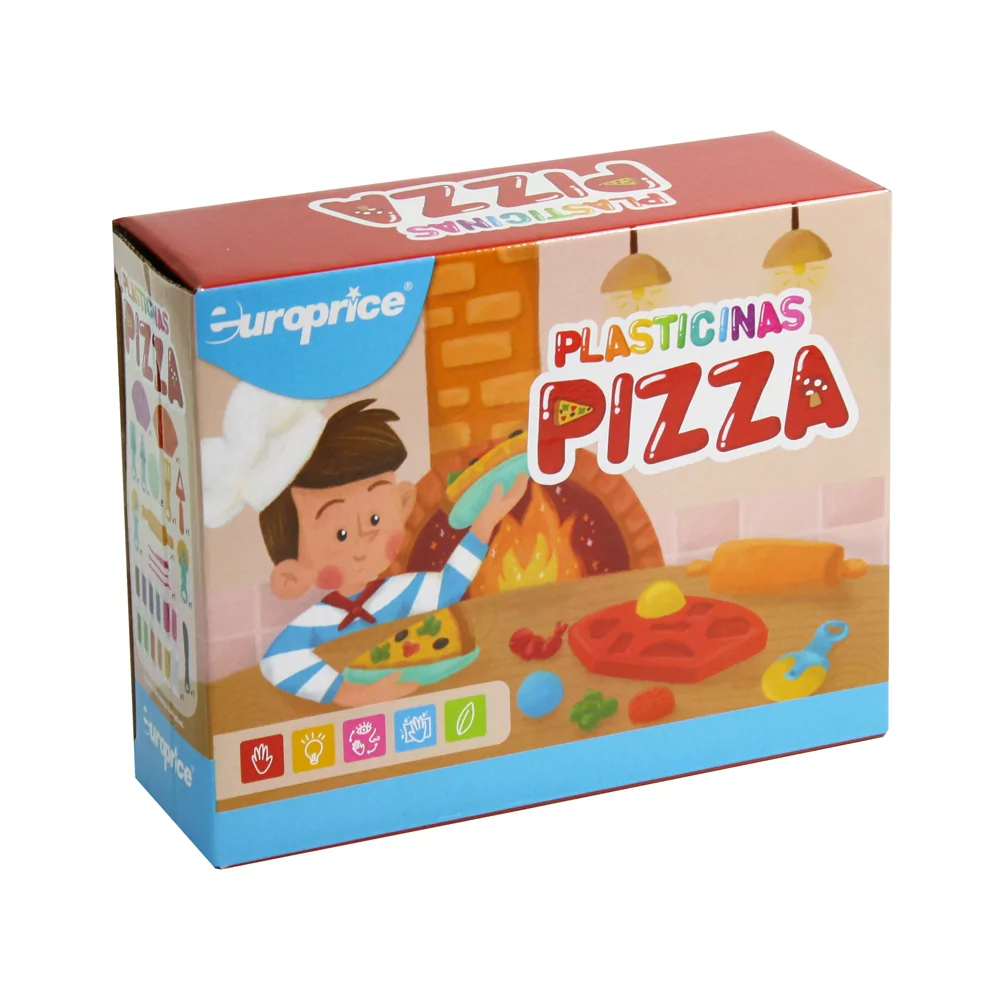
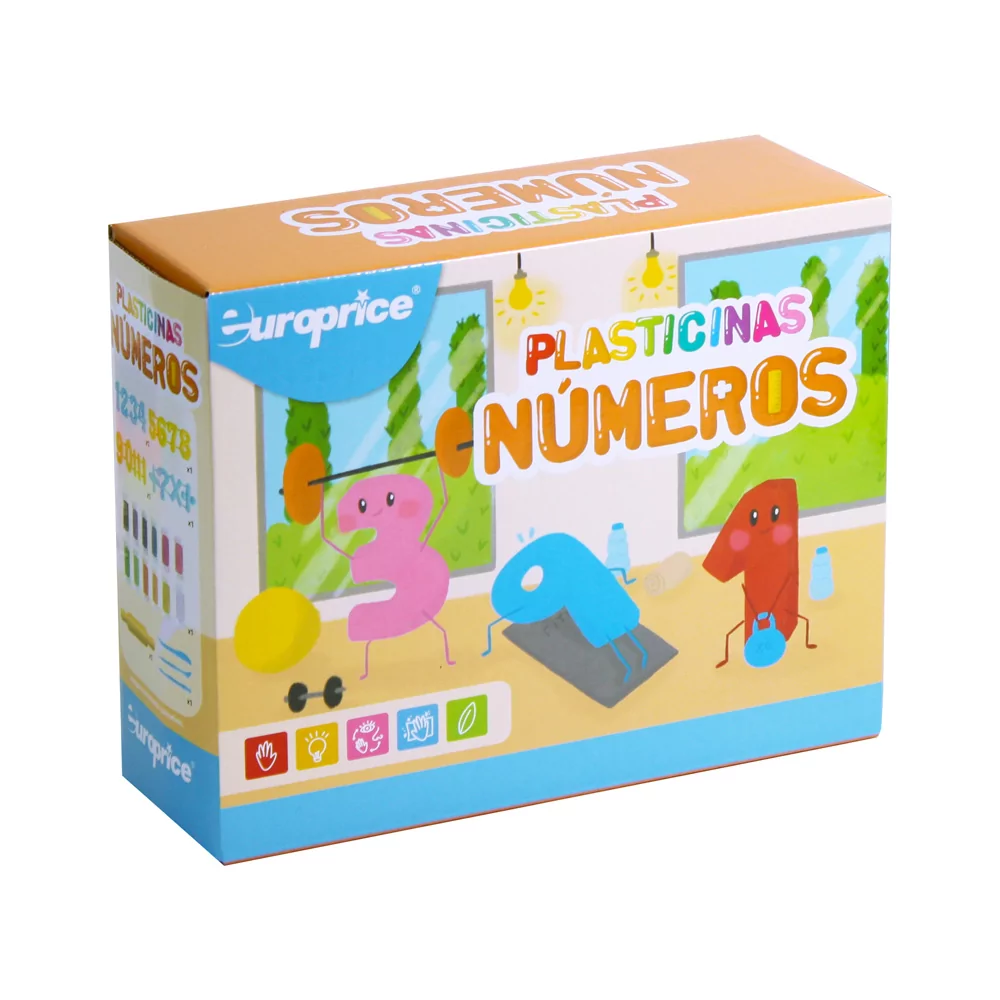
Choosing the ideal educational toys and games for children can seem like a challenging task, given the wide range of options available on the market. However, by following a few simple guidelines, it is possible to select games that are not only fun but also highly beneficial for children’s development. In this article, we will discuss the main criteria to consider when choosing educational toys.
However, if you want to learn more about what Educational Toys are, you can read our dedicated article on the topic HERE.
1. Child’s Age
First, age is one of the most important factors to consider when choosing a toy. Games designed for younger children may not be challenging enough for older kids, and vice versa. However, most games already come with an age recommendation on the packaging, which can serve as a good starting point.
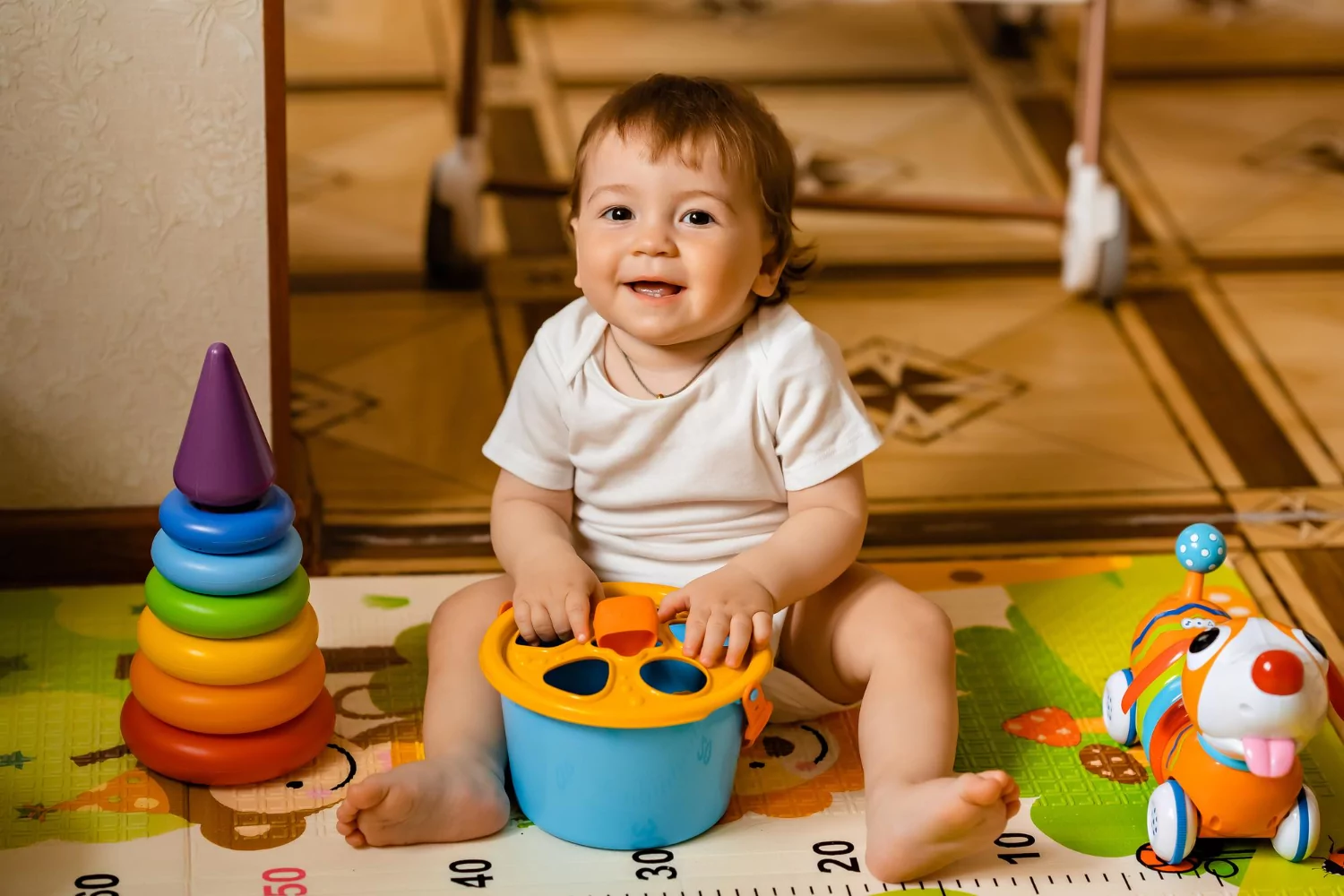
Babies and Toddlers (0–3 years)
- Focus on those that stimulate the senses (sight, hearing, and touch).
- Look for toys with large, safe pieces that pose no choking hazards.
- Choose games that encourage motor development, such as large building blocks.
Preschool-Aged Children (3–5 years)
- Choose those that promote learning colors, shapes, letters, and numbers.
- Simple building toys, puzzles, and art activities are ideal.
- Introduce games that encourage social skills, such as basic board games.
School-Aged Children (6–12 years)
- Look for those that promote the development of more advanced cognitive skills, such as math, reading, and science.
- Strategy games, more complex puzzles, and science kits can be very beneficial.
- Encourage toys that promote teamwork and problem-solving.
2. Interesses Pessoais da Criança
Additionally, taking the child’s personal interests and preferences into account can significantly increase engagement and motivation to play.
Examples of Toys by Interest
Animals: Educational games about zoology, natural habitats, or animal care simulations.
Space: Astronomy kits, games about the solar system, or space missions.
Arts and Creativity: Drawing and painting kits or games.
3. Quality and Safety
Above all, safety is paramount when choosing educational toys and games. In this way, selecting quality products made from safe and durable materials is essential.
Tips to Ensure Quality and Safety
- Check if the game has safety certifications, such as the CE mark.
- Read reviews and recommendations from other parents and educators.
- Prefer brands that are well-known and respected in the educational toys and games market.
However, defining the skills or knowledge you want your child to develop can also help make a more informed choice.
Examples of Toys by Educational Goal
Cognitive Development: Logic games, puzzles, and memory games.
Motor Development: Building toys, cutting and pasting activities.
Social Skills: Board games, cooperative games, and group activities.
5. High Playability and Fun
A good educational game should be fun and highly playable, meaning the child should want to play it repeatedly.
Characteristics of Highly Playable Games
- Variety of difficulty levels or scenarios.
- Additional components or expansions that add new challenges.
- Ability to play in different modes (solo, cooperative, competitive).
Europrice and Choosing Educational Games
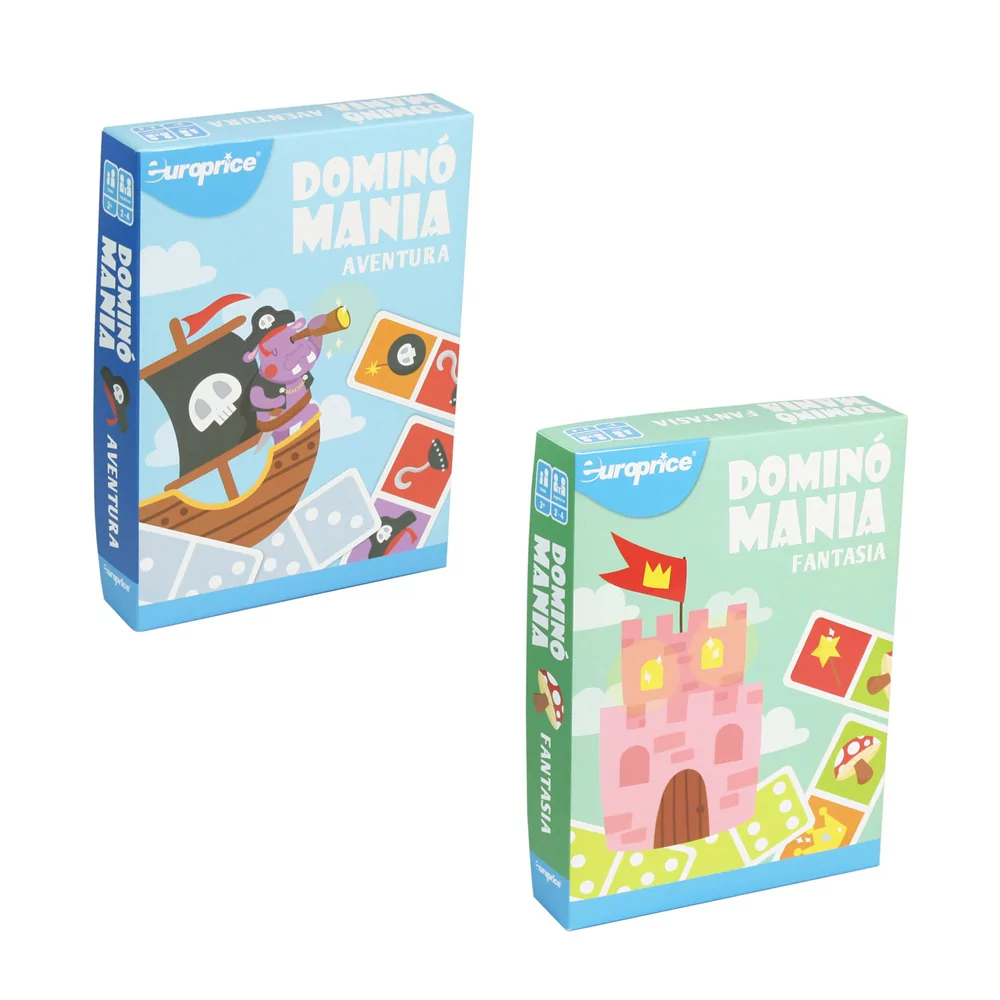
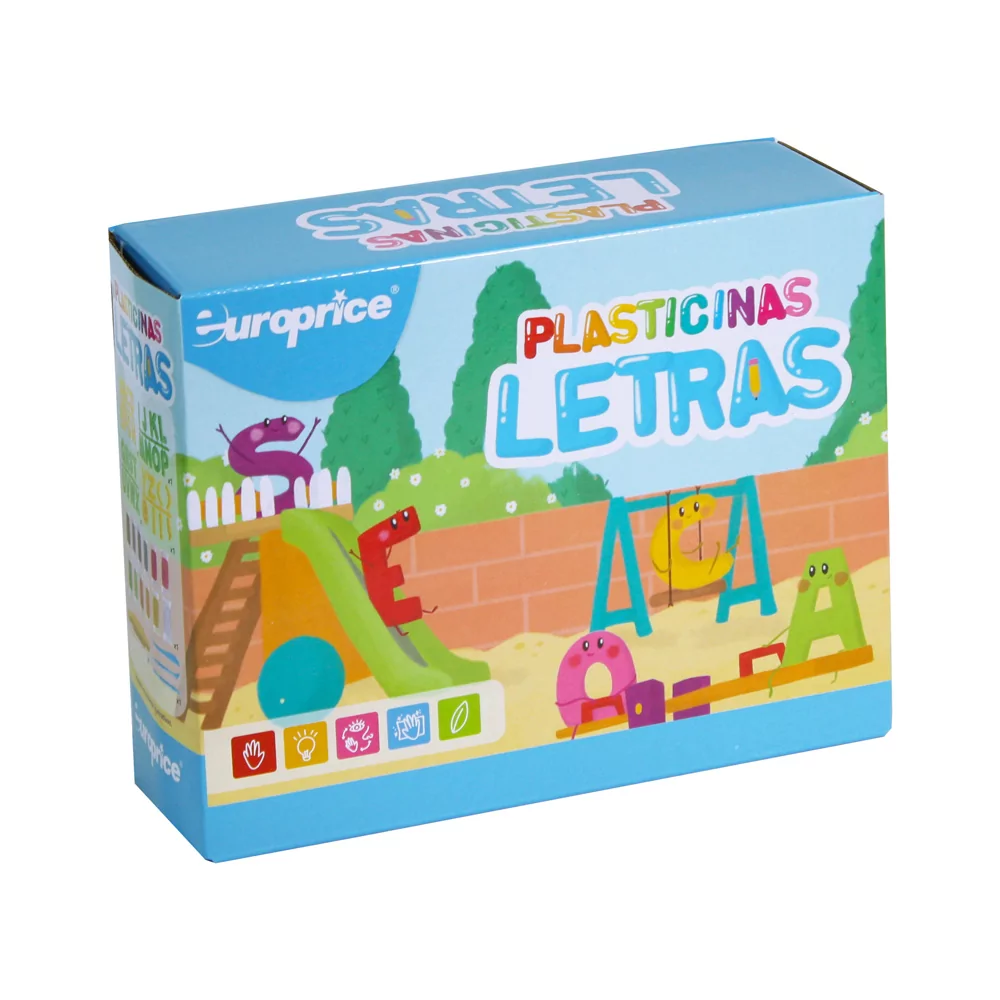
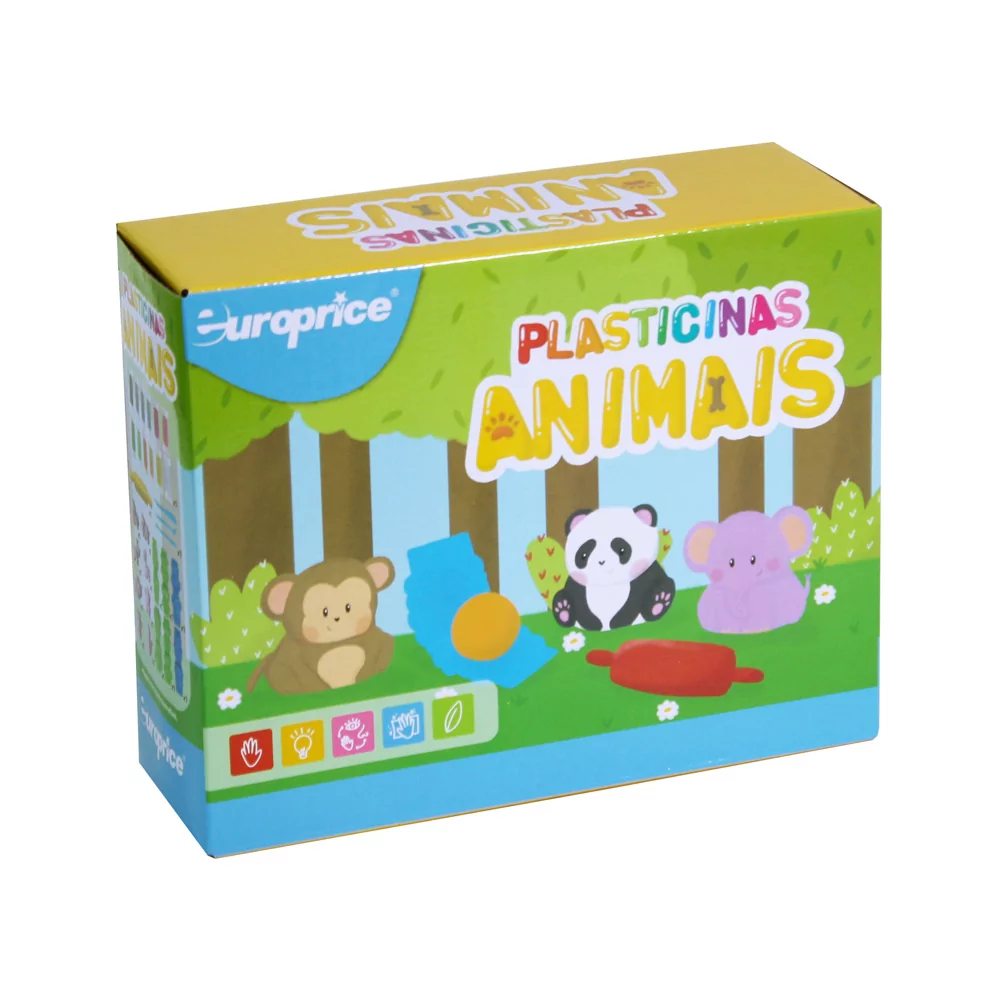
At Europrice, we are dedicated to creating educational games that make learning a fun and engaging experience. Since 1997, we have been innovating in the educational toys and games market, ensuring high-quality and safe products. Our mission is to help every child learn while playing, developing essential skills for their growth.
Conclusion
In summary, choosing educational toys and games can be a rewarding experience when you know what to look for. By considering age, personal interests, quality and safety, educational goals, and high playability, it is possible to select games that not only entertain but also contribute significantly to children’s development. At Europrice, we are committed to offering the best products so that every playtime becomes a learning opportunity.
Discover our full range of Educational Toys and Games HERE.
Keywords: how to choose educational games, criteria for choosing educational games, benefits of educational games
Post Views: 11